Seafood waste remains a major challenge for restaurants across coastal cities. Industry reports estimate that food businesses can lose up to 10% of seafood inventory through spoilage, handling mistakes, and poor quality checks. In Portland, Maine, chefs actively address this issue through careful shellfish inspection practices. Many kitchens also educate staff about signs of quality loss, including situations where clam shells open after thawing, which may indicate handling concerns. As a result, restaurants improve food safety, protect profits, and deliver better dining experiences while reducing unnecessary waste.
Why Seafood Waste Matters in Portland, ME
Portland has a strong connection to the seafood industry. Local restaurants depend heavily on fresh clams, oysters, mussels, scallops, and lobster. Therefore, any wasted shellfish directly affects business costs. Chefs must balance quality expectations with responsible inventory management.
The Gulf of Maine experiences seasonal temperature changes that influence shellfish quality. During warmer months, transportation and storage become more challenging. Consequently, restaurants need strict inspection procedures from delivery through service. These practices help prevent avoidable product loss.
Many customers visit Portland specifically for seafood dining. They expect freshness and premium quality with every meal. Because of these expectations, chefs cannot risk serving questionable shellfish. Proper inspection helps maintain trust while minimizing discarded inventory.
The Connection Between Inspection and Waste Reduction
Shellfish inspection identifies potential problems before products enter food preparation. Chefs examine appearance, smell, shell condition, and storage temperatures. This process helps separate usable products from compromised inventory. As a result, kitchens make better decisions regarding product handling.
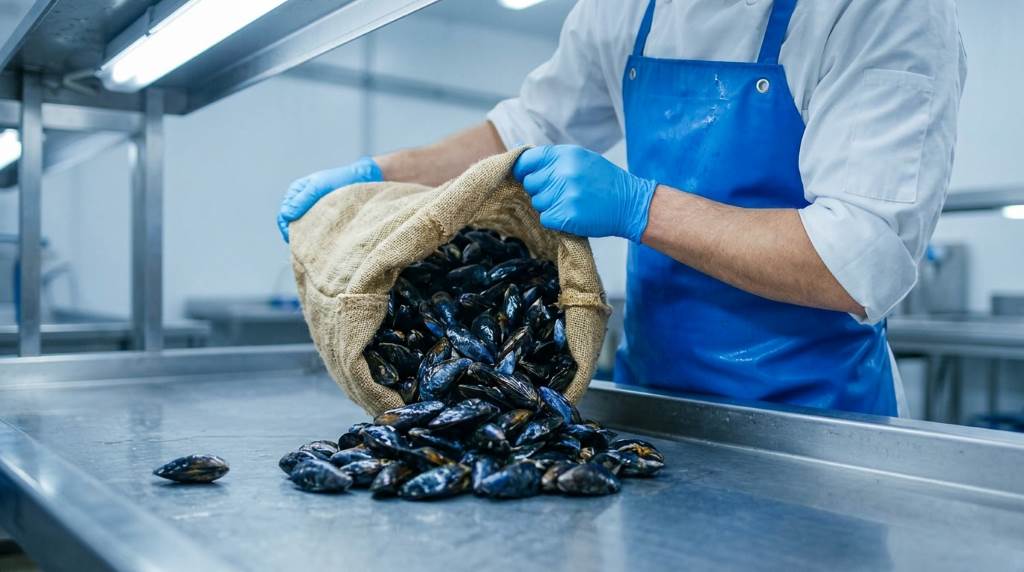
Without inspection, staff may discover quality issues during cooking or service. That situation often leads to complete batch disposal. However, early detection allows restaurants to isolate affected products immediately. This approach reduces overall waste and protects food safety.
Regular inspections also improve ordering accuracy. Managers learn which suppliers consistently provide high-quality shellfish. Therefore, restaurants can adjust purchasing decisions based on documented quality performance. Better supplier relationships often lead to lower waste rates.
Key Shellfish Inspection Steps Used by Portland Chefs
Checking Shell Integrity
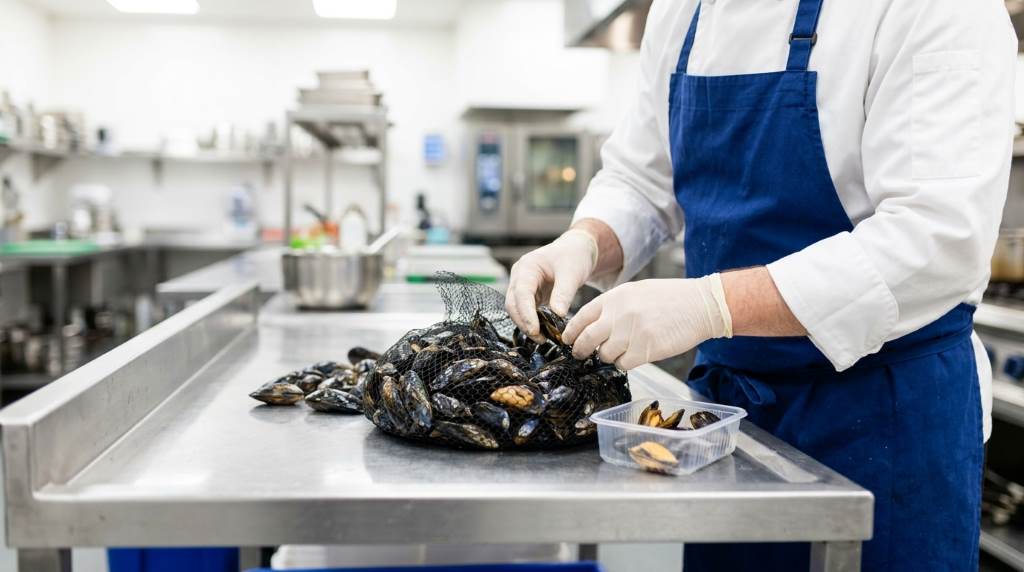
Chefs first inspect shells for cracks, chips, and damage. Healthy live shellfish typically have tightly closed shells. If a shell remains open and does not close when tapped, the product may be unsuitable for service. This simple step prevents unnecessary preparation waste.
Visual inspections occur immediately after delivery. Staff document any damaged products before acceptance. Consequently, suppliers receive prompt feedback when quality concerns arise. Restaurants avoid paying for compromised inventory.
Monitoring Odor and Freshness
Fresh shellfish should smell clean and ocean-like. Strong or unpleasant odors often indicate deterioration. Therefore, trained kitchen teams perform smell assessments during receiving and storage checks. Early identification reduces the risk of larger inventory losses.
Portland chefs frequently combine smell testing with temperature verification. This dual approach creates a more reliable quality assessment process. As a result, kitchens maintain higher standards throughout the supply chain.
Verifying Storage Temperatures
Temperature control remains one of the most important inspection factors. Shellfish require consistent refrigeration to maintain freshness. Even short periods of temperature abuse can reduce shelf life significantly. Therefore, chefs closely monitor cold storage conditions.
Many restaurants use digital temperature logs throughout the day. These records help identify equipment issues before products become unusable. Consequently, businesses reduce spoilage and improve operational efficiency.
How Portland’s Coastal Climate Influences Inspection Practices
Maine’s coastal climate creates unique seafood management challenges. Humidity levels often fluctuate throughout the year. As a result, shellfish storage conditions require continuous monitoring. Chefs adjust procedures according to seasonal environmental changes.
Winter temperatures can support product freshness during transportation. However, freezing conditions create different concerns for shellfish quality. Restaurants must prevent accidental freezing that damages delicate products. Therefore, inspection protocols change during colder months.
Summer presents higher spoilage risks because of increased temperatures. Delivery schedules often become more time-sensitive. Consequently, chefs inspect incoming products immediately upon arrival. Fast evaluation helps preserve quality and reduce losses.
Training Kitchen Staff to Identify Quality Issues
Successful waste reduction depends on employee education. Portland chefs regularly train staff on shellfish quality indicators. These sessions focus on practical inspection skills rather than theory alone. As a result, team members make better decisions during daily operations.
Many restaurants create written inspection checklists for consistency. Staff follow the same evaluation process during every delivery. Therefore, quality standards remain stable regardless of who receives products. Consistency leads to measurable waste reduction.
Training also covers menu planning and seafood handling techniques. For example, understanding what is surf and turf helps staff appreciate how seafood quality affects premium menu offerings. Better product knowledge often leads to improved inventory management.
The Role of Inventory Rotation in Waste Prevention
Inspection works best when combined with proper inventory rotation. Restaurants commonly use first-in, first-out management systems. This method ensures older products receive priority use. Consequently, fewer shellfish reach the end of their usable life.
Chefs label deliveries with receiving dates and storage information. Staff can quickly identify products that require immediate attention. Therefore, kitchens reduce confusion and improve workflow efficiency. Organized inventory supports better waste management outcomes.
Daily inspections also help managers adjust menu specials. Products nearing peak usage windows can become featured dishes. As a result, restaurants maximize value while maintaining quality standards. This strategy reduces unnecessary disposal.
An Overlooked Strategy: Tracking Shellfish Mortality Patterns
One uncommon but highly effective practice involves tracking shellfish mortality patterns. Some Portland chefs maintain records of shellfish losses by supplier, season, and delivery route. This data reveals trends that standard inspections may overlook. Consequently, restaurants make smarter purchasing decisions.
For example, a kitchen may discover higher mortality rates from specific delivery schedules. Managers can then request different transportation times or storage methods. Therefore, small operational changes create meaningful waste reductions. Few food blogs discuss this data-driven approach despite its practical value.
These records also help identify climate-related quality shifts. Seasonal trends become easier to predict with accurate documentation. As a result, chefs prepare proactive responses instead of reacting after losses occur. This strategy supports long-term sustainability goals.
Using Kitchen Equipment to Preserve Seafood Quality
Proper equipment maintenance supports every inspection program. Refrigeration units must operate consistently and accurately. Even minor temperature fluctuations can shorten shellfish shelf life. Therefore, chefs regularly inspect equipment performance.
Kitchen organization also affects seafood quality. Staff use designated storage containers and preparation tools. Learning how to serve pasta perfectly using specialized tools highlights the broader importance of using proper equipment throughout professional kitchens. Good tools support better food handling practices.
Efficient workflow design further reduces product exposure. Shellfish move quickly from storage to preparation areas. Consequently, products spend less time in potentially risky conditions. This process improves both quality and waste control.
Creative Menu Planning That Supports Waste Reduction
Inspection data often influences menu development. Chefs analyze usage patterns and customer demand. Therefore, they create dishes that efficiently utilize available seafood inventory. Thoughtful planning reduces excess stock accumulation.
Restaurants may also repurpose approved shellfish ingredients into soups, stews, or seafood stocks. These applications help maximize usable product value. As a result, less seafood ends up discarded. Careful planning creates financial and environmental benefits.
Operational efficiency extends beyond seafood management. Some kitchens study processes similar to restaurant style microwave pasta preparation methods to streamline service workflows. Better organization often contributes to lower overall food waste.
Benefits Beyond Waste Reduction
Proper shellfish inspection delivers advantages beyond inventory savings. Customers receive fresher and safer meals. Consequently, restaurants strengthen their reputation within Portland’s competitive dining market. Positive guest experiences encourage repeat visits.
Inspection programs also support sustainability efforts. Reduced waste lowers pressure on marine resources. Therefore, restaurants contribute to responsible seafood consumption practices. These actions align with growing consumer interest in environmental responsibility.
Financial performance improves when waste decreases. Businesses spend less money replacing spoiled inventory. As a result, profit margins become more stable. Effective inspection serves both operational and economic goals.
Conclusion
Portland, ME chefs reduce seafood waste through disciplined shellfish inspection, staff training, inventory management, and climate-aware handling practices. These methods help restaurants maintain quality while protecting valuable seafood resources. Consistent inspections also support food safety, sustainability, and stronger customer satisfaction. If you operate a seafood business, start implementing structured shellfish inspection procedures today to reduce waste, improve efficiency, and maximize profitability.
FAQs
Why is shellfish inspection important for restaurants?
Shellfish inspection helps maintain food safety, quality, and lower inventory waste.
How often should restaurants inspect shellfish?
Restaurants should inspect shellfish during receiving, storage, and before preparation.
What is the biggest cause of shellfish waste?
Improper storage temperatures often cause premature spoilage and product loss.
How does Portland’s climate affect shellfish quality?
Seasonal temperature and humidity changes can influence freshness and storage conditions.
Can staff training reduce seafood waste?
Yes, trained employees identify quality issues early and prevent unnecessary losses.