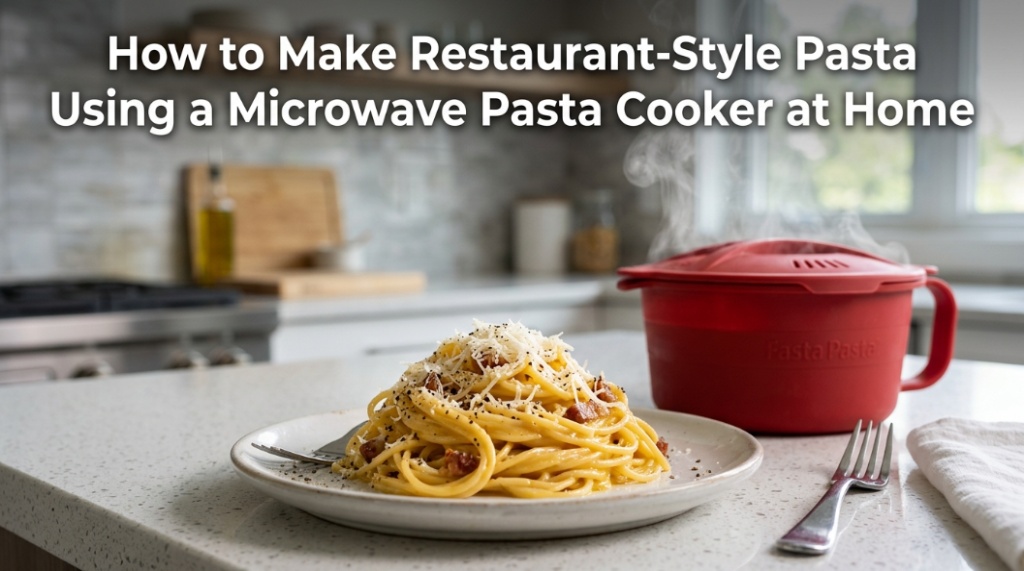
Some of the best pasta isn’t made beside a roaring stove—it starts with a plastic container spinning quietly inside a microwave. Restaurant-Style Pasta Using Microwave Pasta Cooker is not only possible, but surprisingly easy when you understand how professional kitchens build flavor, texture, and consistency. A microwave pasta cooker simplifies boiling, reduces cleanup, and helps busy home cooks prepare quality pasta in minutes. If you’ve struggled with sticky noodles, uneven cooking, or bland sauces, a microwave pasta cooker offers a practical solution. With the right techniques, ingredients, and timing, you can create pasta dishes that look and taste remarkably close to what you’d expect from your favorite Italian restaurant.
Modern households increasingly seek faster meal preparation without sacrificing quality. Traditional pasta cooking requires monitoring boiling water, draining, and additional cookware. A microwave pasta cooker streamlines this process while maintaining excellent texture. Combined with proper seasoning, quality pasta, and carefully balanced sauces, it becomes a powerful kitchen tool for creating impressive meals quickly.
This guide covers everything from selecting ingredients to mastering restaurant-level finishing techniques, along with practical microwave pasta recipes, expert tips, common mistakes, and quick pasta meals suitable for busy schedules.
What Is a Microwave Pasta Cooker and Why Does It Work So Well?
A microwave pasta cooker is a specially designed container that cooks pasta evenly in the microwave using controlled water circulation and heat distribution.
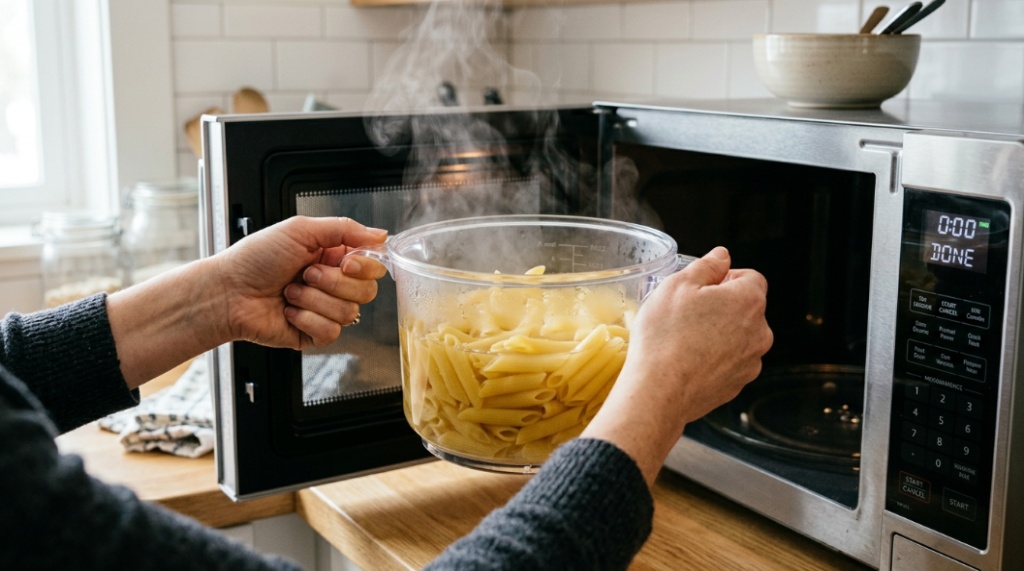
Unlike ordinary bowls, microwave pasta cookers are engineered to maintain consistent temperatures and reduce boil-over issues. Most models feature measurement guides, vented lids, and built-in draining systems that make cooking easier and safer.
The biggest advantage is convenience. Instead of waiting for a large pot of water to boil, you simply add pasta, water, and cook according to instructions. Many home cooks discover that modern pasta cookers produce excellent texture while significantly reducing preparation time.
If you’re comparing different models and features, this detailed guide to the microwave pasta cooker options for home kitchens can help you choose a reliable product.
- Less cookware required
- Reduced cooking time
- Easy-draining system
- Minimal supervision needed
- Simple cleanup process
- Consistent pasta texture
Can Microwave-Cooked Pasta Really Taste Restaurant Quality?
Yes. Restaurant-quality pasta depends more on technique, seasoning, sauce preparation, and finishing methods than on the cooking appliance itself.
Professional chefs focus on proper pasta texture, balanced seasoning, quality ingredients, and sauce integration. These same principles apply when using a microwave pasta cooker.
How Do You Choose Ingredients for Restaurant-Style Pasta?
High-quality ingredients create the foundation of exceptional pasta, regardless of cooking method.
Italian restaurants prioritize ingredient quality because every component contributes to the final flavor. Premium durum wheat pasta, fresh herbs, quality olive oil, aged cheese, and carefully prepared sauces dramatically improve results.
Proper presentation also matters. Learning how to serve pasta beautifully with practical kitchen tools helps create a more professional dining experience at home.
| Ingredient | Good Choice | Best Choice |
|---|---|---|
| Pasta | Standard dried pasta | Premium durum wheat pasta |
| Olive Oil | Regular olive oil | Extra virgin olive oil |
| Cheese | Pre-shredded cheese | Freshly grated Parmesan |
| Tomatoes | Canned sauce | San Marzano tomatoes |
| Herbs | Dried herbs | Fresh basil and parsley |
Which Pasta Shapes Work Best in a Microwave Pasta Cooker?
Short and medium-length pasta shapes generally cook most evenly in microwave pasta cookers.
- Penne
- Rigatoni
- Fusilli
- Rotini
- Bow-tie pasta
- Macaroni
- Spaghetti (broken if necessary)
How Do You Cook Pasta Perfectly in a Microwave Pasta Cooker?
The key is using the correct water ratio, cooking time, and resting period to achieve an al dente texture.
Restaurant chefs rarely overcook pasta because texture is one of the most important quality indicators. Al dente pasta provides slight resistance when bitten, while remaining fully cooked.
Step-by-Step Method
- Add pasta to the cooker.
- Fill with water according to manufacturer guidelines.
- Add a pinch of salt.
- Microwave on high power.
- Stir halfway through cooking.
- Check texture near completion.
- Allow resting time for 1–2 minutes.
- Drain excess water.
- Immediately combine with the sauce.
Most microwave pasta cookers require approximately 10–15 minutes, depending on pasta shape, quantity, microwave wattage, and desired texture.
Why Is Salting Water Important?
Salting water seasons pasta internally and enhances overall flavor.
Many restaurant kitchens use generously salted cooking water because it improves the taste before the sauce is even added. Proper seasoning creates depth throughout every bite.
What Restaurant Techniques Make Pasta Taste Better?
Professional chefs rely on several simple finishing techniques that dramatically improve flavor and texture.
The difference between ordinary pasta and restaurant pasta often comes from finishing methods rather than cooking methods.
1. Finish Pasta in Sauce
Instead of placing sauce on top, toss pasta directly in warm sauce. This helps starches bind with sauce for better flavor absorption.
2. Use Reserved Pasta Water
A small amount of starchy cooking water helps create silky sauces and improves consistency.
3. Add Fat at the End
Extra virgin olive oil or butter added after cooking creates a richer finish.
4. Layer Flavors
Restaurants build complexity through garlic, onions, herbs, cheese, and seasoning rather than relying on a single ingredient.
5. Garnish Properly
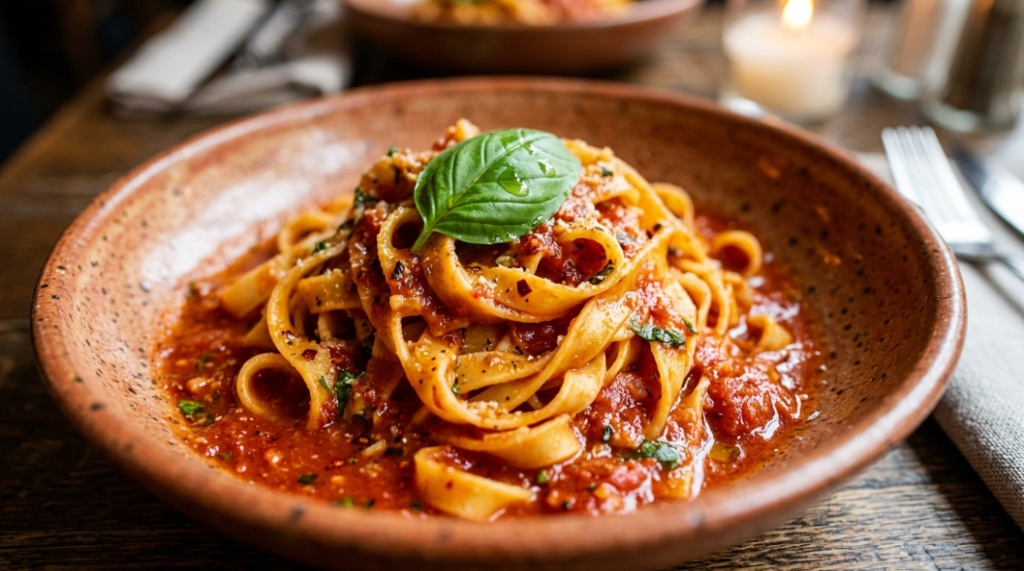
Fresh basil, parsley, cracked pepper, and Parmesan add aroma and visual appeal.
Which Quick Pasta Meals Can You Make in a Microwave Pasta Cooker?
Many restaurant-inspired dishes can be prepared in under 20 minutes using a microwave pasta cooker.
These quick pasta meals are ideal for busy weeknights while still delivering impressive flavor.
Garlic Parmesan Penne
- Cooked penne
- Butter
- Garlic
- Parmesan cheese
- Parsley
Mix hot pasta with butter and garlic, then finish with Parmesan and parsley.
Creamy Tomato Basil Pasta
- Pasta
- Tomato sauce
- Heavy cream
- Fresh basil
- Parmesan
Combine ingredients and heat briefly before serving.
Lemon Herb Pasta
- Pasta
- Lemon zest
- Olive oil
- Parsley
- Black pepper
This fresh recipe works especially well during warmer months.
Chicken Alfredo Pasta
For homemade pasta preparation and shaping techniques, many cooks also use tools such as multi-wheel pasta cutters that streamline preparation work when creating fresh pasta variations.
- Cooked pasta
- Grilled chicken
- Cream sauce
- Parmesan cheese
- Garlic
This restaurant favorite can be assembled quickly after microwave cooking.
What Are the Best Microwave Pasta Recipes for Beginners?
Simple recipes with fewer ingredients allow beginners to focus on mastering texture and seasoning.
Classic Marinara Pasta
Cook pasta until al dente, combine with quality marinara sauce, and finish with Parmesan and basil.
Butter Herb Pasta
Toss pasta with melted butter, parsley, oregano, and grated cheese.
Pesto Pasta
Mix hot pasta with basil pesto and finish with toasted pine nuts.
Mushroom Garlic Pasta
Sautéed mushrooms combined with garlic and olive oil create a restaurant-worthy meal using minimal ingredients.
How Can You Make Microwave Pasta Taste Like Authentic Italian Restaurant Pasta?
Use fewer ingredients, better ingredients, and proper finishing techniques.
Authentic Italian cooking often emphasizes simplicity. Rather than overwhelming dishes with excessive ingredients, focus on ingredient quality and balance.
- Choose premium pasta
- Use fresh herbs
- Grate cheese fresh
- Avoid excessive sauce
- Finish with olive oil
- Serve immediately
Many respected Italian chefs believe pasta should complement sauce rather than be drowned in it. Maintaining this balance improves texture and flavor.
Does Fresh Cheese Make a Difference?
Absolutely. Freshly grated Parmesan melts better, provides richer flavor, and creates a more professional finish compared with pre-packaged alternatives.
What Common Mistakes Should You Avoid When Using a Microwave Pasta Cooker?
Avoiding a few simple errors can dramatically improve results.
Using Too Little Water
Insufficient water causes uneven cooking and sticky pasta.
Skipping Stirring
Stirring midway prevents clumping and encourages even cooking.
Overcooking
Microwaves continue cooking briefly after stopping. Always check pasta slightly before the expected finish time.
Adding Sauce Too Late
Pasta absorbs flavor best when combined with warm sauce immediately after draining.
Ignoring Seasoning
Salt, herbs, cheese, and quality olive oil create depth and complexity.
How Does a Microwave Pasta Cooker Compare With Traditional Boiling?
Both methods can produce excellent pasta, but microwave pasta cookers offer greater convenience and efficiency.
| Feature | Microwave Pasta Cooker | Traditional Pot |
|---|---|---|
| Cookware Needed | One container | Pot plus colander |
| Cleanup | Minimal | Moderate |
| Monitoring | Low | Higher |
| Water Usage | Lower | Higher |
| Consistency | Very good | Excellent |
| Convenience | Excellent | Good |
For many busy households, convenience makes microwave cooking an attractive option without sacrificing quality.
Can You Meal Prep Pasta Using a Microwave Pasta Cooker?
Yes. Microwave pasta cookers are excellent for batch cooking and meal preparation.
Cook larger portions, cool properly, and store in airtight containers. Pasta can remain refrigerated for several days and quickly reheated with sauce when needed.
- Prepare multiple servings at once
- Store separately from the sauce
- Add fresh herbs before serving
- Reheat with a small amount of water
- Finish with cheese after reheating
This approach supports healthier eating habits and reduces weeknight cooking stress.
Conclusion: Is a Microwave Pasta Cooker Worth Using for Restaurant-Style Pasta?
Yes. A microwave pasta cooker provides a fast, practical way to create restaurant-quality pasta at home with less effort and cleanup. Success comes from combining proper cooking technique with quality ingredients, balanced seasoning, and professional finishing methods. Whether you’re preparing simple butter pasta, creamy Alfredo, or flavorful marinara dishes, the principles remain the same: cook pasta correctly, finish it in sauce, and use fresh ingredients whenever possible.
For cooks interested in expanding their pasta-making toolkit, resources such as this review of a complete pasta maker set for home kitchens can provide additional inspiration for creating authentic pasta dishes from scratch.
Start with one of the recipes in this guide, experiment with different sauces, and discover how easily restaurant-style results can be achieved using a microwave pasta cooker. With a little practice, you’ll enjoy flavorful pasta dishes faster than ever while keeping cleanup simple.
Frequently Asked Questions
Can you cook pasta entirely in a microwave pasta cooker?
Yes. Microwave pasta cookers are specifically designed to cook pasta completely without using a stovetop. Simply add pasta, water, and follow the recommended cooking times.
How long does pasta take in a microwave pasta cooker?
Most pasta shapes cook within 10–15 minutes, depending on microwave wattage, pasta type, and desired texture. Always test for al dente consistency before serving.
Do microwave pasta cookers save energy?
Generally yes. Microwaves typically use less energy for small cooking tasks compared with heating a large pot of water on a stovetop.
What is the best pasta shape for microwave cooking?
Penne, rotini, fusilli, macaroni, and rigatoni are among the easiest shapes to cook evenly in microwave pasta cookers.
Can you make creamy pasta sauces in a microwave?
Yes. Cream-based sauces, Alfredo sauce, cheese sauces, and tomato cream sauces can all be heated and combined with freshly cooked pasta.
Should pasta be rinsed after cooking?
No. Rinsing removes starch that helps sauce cling to pasta. Most restaurant chefs avoid rinsing unless preparing cold pasta salads.
How do restaurants make pasta taste better?
Restaurants focus on ingredient quality, proper seasoning, finishing pasta directly in sauce, using fresh herbs, and adding freshly grated cheese before serving.