
Surfing is exciting, freeing, and deeply connected to nature. However, long hours in the sun and saltwater can harm your skin if you are not prepared. Therefore, choosing the right surfing swimsuit is not just about style. It is about protection, comfort, and long-term skin health.
This guide explains how to protect your skin using the right gear. It also shows what to look for when buying surfwear and how to stay safe in different conditions.
Why Skin Protection Matters While Surfing
When you surf, your skin faces constant exposure to sunlight, wind, and saltwater. These elements can damage your skin over time.
First, ultraviolet (UV) rays can cause sunburn. Over time, they may lead to premature aging and even skin cancer. Additionally, saltwater can dry out your skin, making it more sensitive.
However, proper swimwear can reduce these risks. It acts as a barrier between your skin and harsh elements. Therefore, investing in the right swimsuit is essential.
Understanding UV Protection in Surfwear
Not all swimsuits are created equal. Some are designed to block harmful rays better than others.
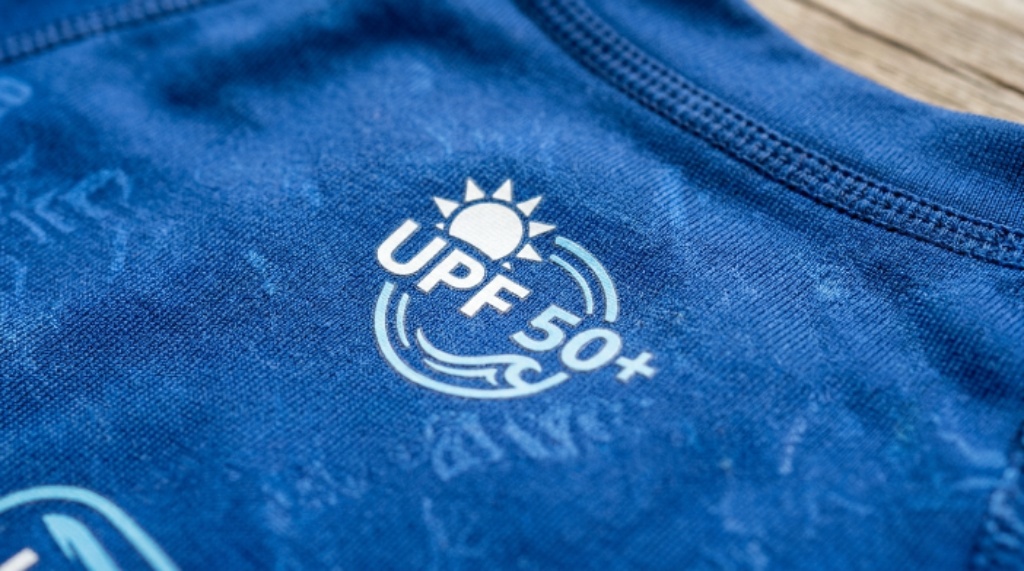
UV-rated clothing is tested for how well it blocks sunlight. This is often measured using a UPF (Ultraviolet Protection Factor) rating. For example:
- UPF 15 blocks about 93% of UV rays
- UPF 30 blocks about 97%
- UPF 50 blocks about 98%
Therefore, choosing UV protection swimwear with a high UPF rating is a smart decision. It provides better defense, especially during long surf sessions.
Additionally, darker colors and tightly woven fabrics tend to offer more protection.
Choosing the Right Fabric
Fabric plays a major role in skin safety. Some materials are better suited for surfing than others.
Look for these features:
- Quick-drying materials like polyester or nylon
- Stretchable fabrics for easy movement
- Chlorine and salt-resistant blends
However, avoid thin or loose fabrics. They may allow more sunlight to pass through. Therefore, always check the label before buying.
The Role of Rash Guards in Skin Protection
A rash guard is a tight-fitting shirt designed for water sports. It offers both protection and comfort.
Rash guard benefits include:
- Protection from UV rays
- Prevention of skin irritation from the surfboard
- Reduced risk of rashes caused by friction
- Better temperature control in cool water
Additionally, rash guards are lightweight and breathable. Therefore, they are ideal for long sessions in the water.
Full Coverage vs Minimal Coverage
Swimsuit coverage directly affects how much skin is protected.
Full coverage options include:
- Long-sleeve tops
- Full-length leggings
- One-piece suits with sleeves
Minimal coverage options include bikinis and short swim trunks. While they may feel comfortable, they expose more skin to the sun.
However, the choice depends on your needs. If you surf for long hours, full coverage is better. Therefore, balance comfort with protection.
Fit and Comfort Matter
A well-fitted swimsuit is essential for effective protection. Loose clothing can shift, exposing your skin to sunlight.
Look for:
- Snug but not tight fit
- Secure straps or closures
- Non-slip materials
Additionally, try moving around in the swimsuit before buying. Stretch, bend, and simulate surfing motions. This ensures it stays in place.
Additional Features to Look For
Modern surfwear includes many advanced features. These can enhance both protection and comfort.
Consider the following:
- Flatlock seams to reduce chafing
- High necklines for better sun coverage
- Built-in UV filters in fabric
- Thumbholes in sleeves for hand protection
Therefore, small details can make a big difference in overall safety.
Importance of Color and Design
Color is not just about style. It also affects how much UV protection you get.
Darker colors absorb more UV rays. Therefore, they offer better protection than lighter shades. However, they may feel warmer in hot weather.
Bright colors, on the other hand, improve visibility in water. This is important for safety.
Additionally, patterned designs can provide slightly better protection due to layered dyes.
Caring for Your Surfing Swimsuit
Proper care helps maintain the protective qualities of your swimsuit.
Follow these tips:
- Rinse with fresh water after each use
- Avoid harsh detergents
- Air dry instead of using a dryer
- Do not wring the fabric
Additionally, avoid prolonged exposure to direct sunlight when drying. This can weaken the fabric over time.
Combining Swimwear with Other Protection Methods
Swimwear alone is not enough. You should combine it with other protective measures.
Use:
- Water-resistant sunscreen on exposed areas
- Surf hats or caps for head protection
- Sunglasses with UV protection
- Lip balm with SPF
Therefore, a layered approach provides the best results.
Seasonal Considerations
Your choice of surfwear may change with the season.
In summer:
- Choose lightweight, breathable materials
- Opt for light coverage with high UPF
In cooler months:
- Use thicker fabrics or wetsuits
- Layer with rash guards for added protection
Additionally, weather conditions like wind and cloud cover can still allow UV exposure. Therefore, protection is needed year-round.
Common Mistakes to Avoid
Many surfers make simple mistakes that reduce skin protection.
Avoid these:
- Wearing regular swimwear without UV rating
- Ignoring fit and comfort
- Skipping sunscreen
- Using worn-out or faded suits
However, staying aware of these mistakes can help you make better choices.
How to Choose the Best Surfing Swimsuit
Selecting the right swimsuit can feel overwhelming. However, focusing on key factors makes it easier.
Consider:
- UPF rating
- Coverage level
- Fabric quality
- Fit and comfort
- Additional features
Additionally, think about your surfing habits. If you surf daily, invest in high-quality gear. Therefore, your swimsuit should match your lifestyle.
Benefits of Investing in Quality Surfwear
High-quality surfwear may cost more. However, it offers long-term benefits.
These include:
- Better skin protection
- Increased durability
- Improved comfort
- Enhanced performance
Therefore, it is a worthwhile investment for serious surfers.
Conclusion
Protecting your skin while surfing is essential for both health and comfort. The right swimsuit acts as your first line of defense against harmful UV rays, saltwater, and friction.
Choosing UV protection swimwear with a high UPF rating ensures better safety during long hours in the sun. Additionally, understanding rash guard benefits helps you make smarter decisions about coverage and comfort.
However, swimwear alone is not enough. Combine it with sunscreen, proper care, and smart surfing habits. Therefore, you can enjoy the waves while keeping your skin safe and healthy.
FAQs
1. What is the best UPF rating for surfing swimwear?
UPF 50 is the best choice. It blocks about 98% of harmful UV rays.
2. Can I surf in a regular swimsuit?
Yes, but it offers less protection. UV-rated swimwear is a safer option.
3. How often should I replace my surfing swimsuit?
Replace it when the fabric becomes thin, faded, or loose.
4. Do rash guards work in cloudy weather?
Yes, UV rays can pass through clouds. Protection is still necessary.
5. Is sunscreen still needed with protective swimwear?
Yes, apply sunscreen to exposed areas for full protection.
Related Topics:
What is the Purpose of Comparison Shopping?
How to Budget Christmas Shopping: A Stress-Free Guide