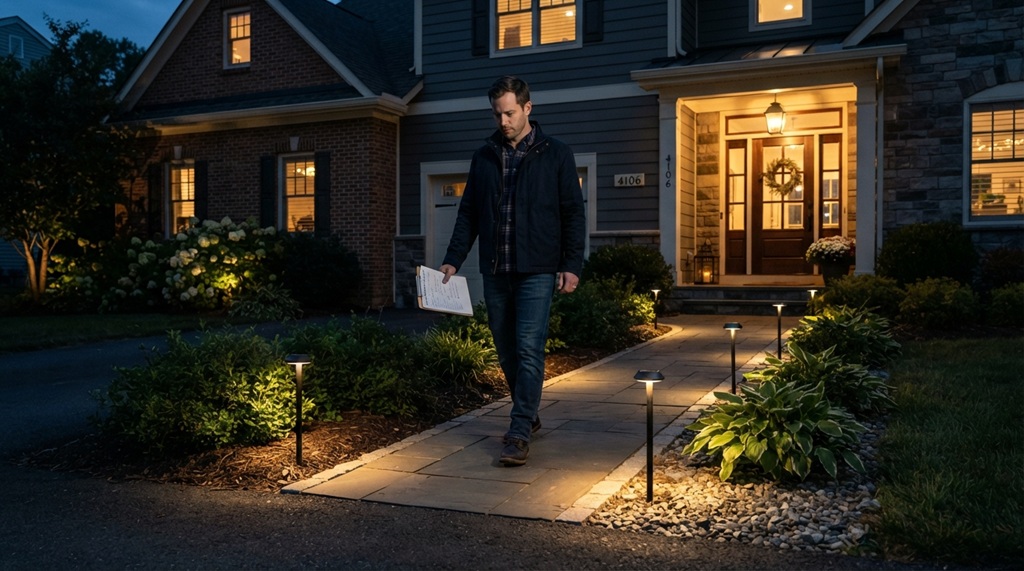
Maryland’s fluctuating weather—from humid summers to icy winters—can be tough on outdoor lighting. If you’re looking to brighten your walkway without draining your savings, solar pathway lights are an appealing option. But finding the right set at the right price requires more than just grabbing the cheapest box off the shelf. This guide breaks down exactly how to shop smart, what features actually matter, and where to save without sacrificing durability. We’ll cover cost expectations, hidden pitfalls, and practical buying strategies specifically tailored for Maryland homes.
Key Takeaways
- Focus on weather resistance (IP65 or higher) and battery type first—these determine lifespan and long-term value more than wattage.
- Set a realistic budget of $20–$60 per set for quality lights; extremely cheap options often fail within one Maryland winter.
- Buy during off-season sales (late fall or early spring) to get premium brands at budget-friendly prices.
- Consider plastic vs. metal construction carefully—metal lasts longer but can be pricier; hybrid options offer a middle ground.
- Always check return policies and warranty terms, as solar light performance can vary greatly depending on placement and sunlight exposure.
What Actually Matters in a Budget Solar Pathway Light?
When you’re shopping with a limited budget, it’s tempting to focus on brightness or the number of lights in a pack. But durability and efficiency determine whether you’re saving money or just buying replacements. For Maryland homeowners, the most critical factor is the Ingress Protection (IP) rating. This two-digit number tells you how well the light resists dust and water. Look for at least IP65, which means it’s fully dust-tight and can handle low-pressure water jets from any direction. This is essential for withstanding Maryland’s rain, snow, and humidity.
Second, consider the battery type. Most budget lights use NiMH (Nickel-Metal Hydride) batteries, which are fine for most climates. However, lithium-ion batteries hold a charge longer and handle cold temperatures better. If you can find a budget option with lithium batteries, it’s worth the slight price increase. When comparing options, also pay attention to the solar panel quality. Polycrystalline panels are common in budget models, but monocrystalline panels are more efficient—meaning they charge faster even on cloudy days, which matters in Maryland’s overcast winters.
Another often-overlooked factor is the light sensor. Cheaper models sometimes use a basic photoresistor that can be fooled by streetlights or porch lights, causing the pathway lights to stay off or flicker. Look for models that mention a “smart” or “automatic” sensor that responds to actual darkness levels. This small detail can make a big difference in daily performance.
Common Mistakes to Avoid
One of the biggest mistakes budget buyers make is choosing lights based solely on lumen output. While brightness is important, low-quality LEDs can dim significantly after just a few months. Instead, prioritize build quality and check reviews for long-term performance. Another mistake is assuming all solar lights are the same size. Many budget options are shorter and thinner than standard models, which means they can get lost in tall grass or deep snow. Measure your pathway and consider the light’s physical dimensions before purchasing. Finally, don’t ignore the spike material. Many budget lights use hollow plastic spikes that crack easily in frozen or compacted ground—a common issue in Maryland winters. Metal or reinforced plastic spikes are worth the extra dollar.
How Much Should You Spend on Solar Pathway Lights?
Budget-conscious shoppers should expect to spend between $20 and $60 for a set of 4 to 8 lights. At this price, you can find reliable models that will last for a few seasons. Anything under $15 for a multi-pack is usually a red flag—these lights often have weak batteries, thin plastic housings, and poor solder joints that fail quickly. On the other hand, you don’t need to spend over $100 per set unless you want premium features like remote control, color-changing modes, or decorative glass housings.
For Maryland’s climate specifically, aim for the $30–$50 range. This usually gets you a set with decent aluminum or alloy construction, IP65 or IP67 ratings, and replaceable batteries. Mid-range sets also often include features like adjustable panels or separate light heads, which give you flexibility in placement. If you’re looking for a starting point, consider browsing options for solar pathway lights budget md—this resource provides a curated overview of weather-appropriate selections that fit tighter budgets without compromising the basics.
Where to Find Discounts and Deals
Timing your purchase is just as important as knowing what to buy. Solar lighting follows a seasonal cycle. Prices are highest in spring and early summer when demand peaks. By late September, most retailers begin clearing inventory to make room for holiday decorations. This is the perfect time to snap up premium sets at budget prices. Also, check online marketplaces for open-box or lightly used units. Many customers return solar lights because they didn’t receive enough sunlight for proper charging—not necessarily because the product was defective. These returns are often heavily discounted and work fine once placed in a sunny spot.
Energy Efficiency and Battery Life in Maryland’s Climate
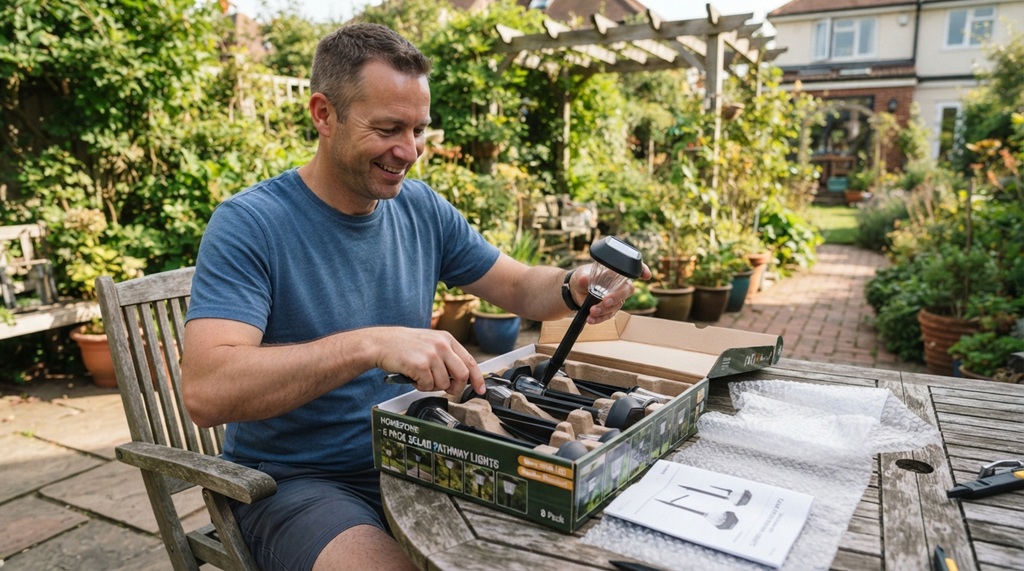
Maryland sits in a zone where sunlight varies significantly by season. In summer, your solar lights may charge fully by noon. In winter, especially with short daylight hours and frequent cloud cover, they may only get 3-4 hours of charging time. This means battery capacity directly impacts how long your lights stay on at night. Budget lights typically include 600mAh to 1000mAh batteries. For a standard pathway light, a 900mAh battery is a sweet spot—it provides roughly 6 to 8 hours of illumination after a full day of charging.
Pay attention to how the battery is integrated. Some budget lights have permanently sealed batteries that can’t be replaced. When the battery degrades—which typically happens after 1 to 2 years—the entire light becomes useless. Spending a little more on a light with a removable battery compartment is one of the smartest financial decisions you can make. You’ll save money in the long run because you can replace just the battery instead of buying a whole new set.
Optimizing Solar Panel Placement for Maximum Efficiency
Panel orientation plays a decisive role in performance: while standard flat-top panels capture sunlight efficiently on south-facing inclines, they often underperform during low-sun hours. Opting for fixtures with adjustable or standalone panels allows you to tailor the tilt directly toward peak sunlight, with a south-to-southwest orientation yielding optimal energy absorption across Maryland properties. Maintaining peak output also requires routine upkeep, as accumulated pollen, dust, and debris can diminish solar charging capabilities by up to 30% without periodic cleanings. Ultimately, fine-tuning your solar layout creates an effortless exterior upgrade—making simple lighting enhancements a high-impact strategy when improving your home and adding value to it.
Design and Aesthetics: Balancing Looks with Longevity
Budget doesn’t have to mean ugly. Solar pathway lights now come in a wide range of styles, from modern rectangular fixtures to classic lantern shapes. But design choices often affect longevity. For instance, lights with glass panels or intricate cutouts can look beautiful but may accumulate moisture inside if seals are weak. For Maryland’s humid summers, simpler designs with flat tempered glass or acrylic lenses tend to perform better because they have fewer crevices for moisture to enter.
Consider the finish as well. Powder-coated metal stands up to rust much better than painted plastic. However, if you prefer plastic for lower cost, choose a dark matte finish—black or bronze—because these are less prone to UV fading than white or light-colored plastics. Also, consider the light color temperature. Warm white (2700K-3000K) is generally preferred for pathways because it’s softer and doesn’t attract as many bugs as cool white or blue-toned lights.
Installing Budget Lights for Maximum Performance
Proper installation can extend the life of budget lights significantly. First, avoid placing lights under trees or near eaves where they might be shaded for part of the day. Give each light at least 4 to 6 hours of direct sunlight. Second, when inserting the spike into the ground, don’t use brute force. If the ground is hard or frozen, soak it with water first or use a small trowel to loosen the soil. This prevents the spike from bending or snapping, which is a common failure point. Finally, consider spacing. For most pathway lights, 6 to 8 feet apart provides adequate illumination without creating dark gaps or overly bright clusters.
Comparing Top Budget Features (Table)
When comparing different sets, use this quick checklist to evaluate the most important features:
| Feature | What to Look For | Why It Matters in MD |
|---|---|---|
| IP Rating | IP65 or higher | Protects against rain, snow, and humidity |
| Battery Type | Replaceable 900mAh+ Li-Ion | Handles cold temps; easy to replace |
| Panel Type | Monocrystalline | Charges faster on overcast days |
| Spike Material | Metal or reinforced plastic | Prevents cracking in frozen ground |
| Sensor Quality | Automatic dusk-to-dawn | Reliable on/off in variable light |
Use this table as a reference when reading product listings. If a listing doesn’t specify these details, that’s often a sign the manufacturer is hiding weaknesses. Reach out to the seller for clarification or choose a different product.
Frequently Asked Questions
How long do budget solar pathway lights last?
Most budget solar lights last between 1 and 3 years. The battery typically degrades first, followed by the LED or the housing. Choosing lights with replaceable batteries can extend their useful life to 4–5 years.
Do solar path lights work in winter in Maryland?
Yes, they work, but with reduced performance. Winter daylight is shorter and weaker, so lights may stay on for fewer hours. Some budget models may shut off during prolonged cloudy stretches. Placing panels at a sharper angle to catch low winter sun can help.
Can I use rechargeable batteries in any solar light?
If your light has a removable battery compartment, you can usually replace the battery with a standard NiMH or lithium-ion rechargeable battery. Just ensure the voltage and size match what’s specified by the manufacturer.
What is the best color temperature for pathway lighting?
Warm white (2700K–3000K) is recommended for residential pathways. It creates a softer, more inviting glow and attracts fewer insects compared to cool white or blue-toned LEDs.
Are solar lights worth buying on a budget?
Yes, if you prioritize durability basics like IP rating, battery quality, and removable batteries, budget solar lights offer excellent value. They save on wiring costs, have no monthly electricity usage, and can last several years with proper care.
Conclusion
Buying solar pathway lights on a budget in Maryland comes down to identifying the right balance between price and resilience. Focus on weatherproofing, battery longevity, and panel efficiency rather than chasing maximum brightness or aesthetic trends. Spend enough to get lights with IP65+ ratings and replaceable batteries, and you’ll avoid the cycle of frequent replacement that plagues ultra-cheap models. Time your purchases around seasonal clearances, and don’t overlook open-box deals. With thoughtful selection and simple placement strategies, you can light your driveway or front walk reliably—even during a Maryland winter—without spending a fortune.