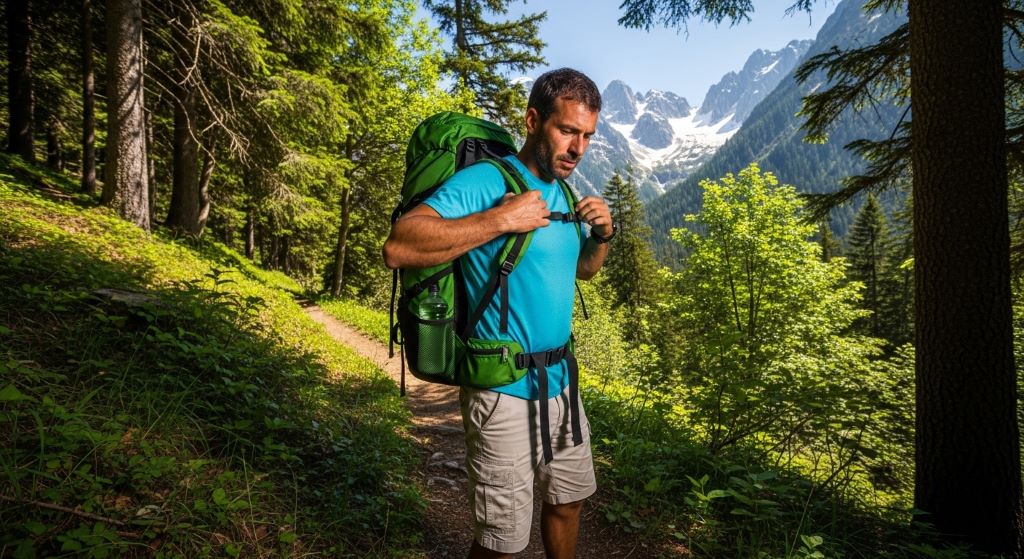
Hiking is one of the most rewarding outdoor activities you can enjoy. Fresh air, stunning views, and the simple joy of putting one foot in front of the other — it is hard to beat. However, before you hit the trail, you need the right gear. A good backpack is one of the most important pieces of equipment you will ever buy.
The good news is that you do not need to spend a fortune. In 2026, there are more quality options at affordable prices than ever before. Whether you are a beginner heading out for your first day hike or an experienced trekker planning a weekend trip, there is a backpack out there that fits your needs and your budget. This guide will walk you through everything you need to know to make the right choice.
Why Your Backpack Choice Matters
A backpack does more than carry your stuff. It affects how you feel on the trail. A poorly fitting pack can cause back pain, shoulder soreness, and fatigue. On the other hand, the right pack distributes weight evenly and lets you move freely and comfortably for hours.
Your backpack also determines how much you can carry. Day hikers need less space than overnight campers. Therefore, choosing the right size from the start will save you from overpacking or running out of room. A good backpack can last for years, making it one of the most valuable investments in your outdoor life.
Additionally, the wrong backpack can ruin a trip. Straps that dig in, zippers that stick, or a pack that wobbles on your back will distract you from enjoying the trail. So choosing carefully really does matter.
Understanding Backpack Sizes
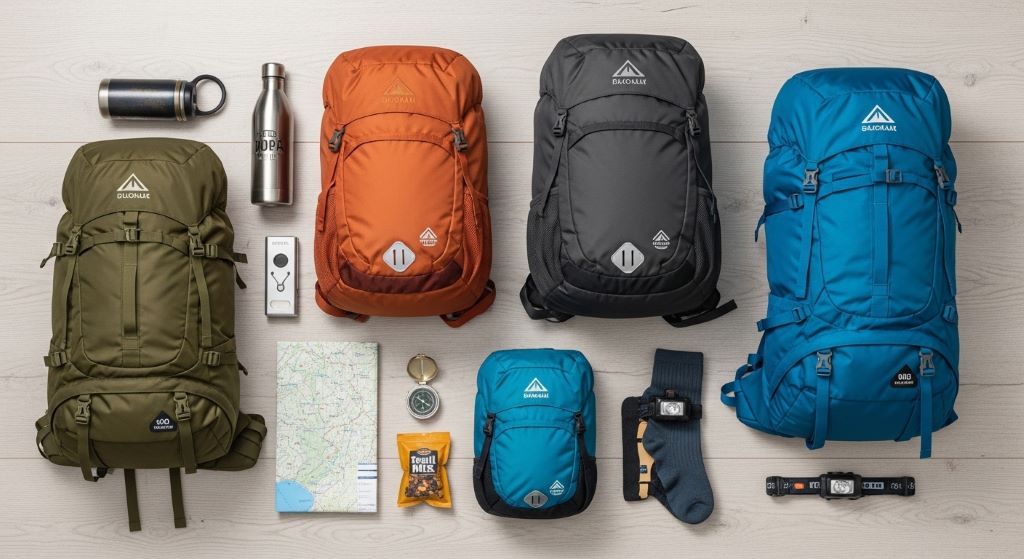
Backpacks are measured in liters. This tells you how much volume they can hold. Before you start shopping, you need to know what size works for your type of hiking.
For day hikes lasting just a few hours, a pack between 10 and 20 liters is usually enough. You can fit water, snacks, a light jacket, and a first aid kit with ease. These packs are small and light, which is perfect for short trails.
For full-day hikes or light overnight trips, look for something between 20 and 40 liters. This size gives you more room for layers, food, and basic camping gear. It is the most popular range for casual hikers.
For multi-day trips or backpacking expeditions, you will need 50 liters or more. These larger packs carry everything you need to sleep, cook, and stay comfortable in the wild for several nights. However, they are heavier and require more attention to fit and support.
Key Features to Look for in a Budget Hiking Backpack
Fit and Adjustability
Fit is the most important factor when choosing any hiking backpack. A pack that does not fit your body correctly will be uncomfortable no matter how good its other features are. Look for adjustable shoulder straps, a padded hip belt, and a sternum strap. These three elements work together to distribute the weight of the pack across your whole body.
Many affordable backpacks now come in torso sizes or have adjustable back panels. This allows a better fit for different body types. Therefore, always check the sizing information before you buy, especially when shopping online.
Material and Durability
The material of a backpack affects both its weight and its durability. Most budget-friendly packs are made from nylon or polyester. Both are strong, water-resistant, and relatively lightweight. Nylon tends to be slightly more durable, while polyester is often a bit cheaper.
Look for a denier rating in the product description. Denier measures how thick the fabric threads are. A higher number means thicker, tougher fabric. For hiking, a rating between 200D and 600D is generally a good range. It balances weight and toughness well.
Additionally, check the quality of the zippers. YKK zippers are widely regarded as the best in the industry. Finding them on a budget pack is a great sign of overall quality.
Ventilation and Back Panel Design
Hiking makes you sweat. A backpack with poor ventilation will trap heat against your back, making the experience uncomfortable. Look for packs with a mesh back panel or a suspended mesh design. These allow airflow between the pack and your back, keeping you cooler on warm days.
Some affordable backpacks skip this feature to cut costs. However, if you hike in warm climates or during summer months, ventilation should be near the top of your checklist.
Storage and Organization
A well-organized backpack makes trail life much easier. Look for a pack with multiple compartments and pockets. A main compartment for bulky items, a front pocket for quick-access gear, and hip belt pockets for snacks or your phone are all very useful.
Side mesh pockets are great for water bottles. A dedicated rain cover pocket is a bonus. Furthermore, internal sleeves for hydration reservoirs are useful if you prefer drinking from a hose rather than stopping to pull out a bottle.
Too many zippers and compartments can add unnecessary weight. Therefore, find a balance that suits your organizational style without going overboard.
Weight of the Pack Itself
When shopping for cheap hiking gear, it is easy to overlook the weight of the empty pack. This is called the pack’s base weight. A heavy backpack means more strain on your body before you even add your gear. Lightweight designs are especially important for longer hikes.
For day hikes, aim for a pack that weighs under 1 kilogram. For larger packs in the 30 to 50 liter range, under 1.5 kilograms is a reasonable target. Many affordable packs hit these marks without compromising on features.
Water Resistance
Rain is unpredictable on the trail. Even if the forecast looks clear, conditions can change quickly. A water-resistant backpack gives you peace of mind. Most budget packs have a DWR coating, which stands for durable water repellent. This treatment causes rain to bead up and roll off the fabric.
However, DWR coatings are not fully waterproof. For heavy rain, you will still want a separate rain cover. Many packs include one stored in a small pocket at the bottom. If not, they are inexpensive to buy separately.
How to Test a Backpack Before Buying
If you can, always try a backpack on before purchasing. Visit an outdoor gear store and ask the staff to help you adjust the fit. Add some weight to the pack and walk around the store. Pay attention to how the shoulder straps feel and whether the hip belt sits correctly on your hips.
If you are buying online, look for retailers with a good return policy. This way, you can try the pack at home and return it if it does not feel right. Read customer reviews carefully, especially from people who share your body type or hiking style.
Additionally, check the warranty. Many reputable brands offer at least a one-year warranty even on their most affordable backpacks. This protects your investment and signals that the brand stands behind its products.
Top Things to Avoid When Buying a Budget Backpack
Not all affordable backpacks are worth the money. Some cut corners in ways that matter. Here are a few things to watch out for:
- Thin, scratchy shoulder straps with no padding. These will dig into your shoulders quickly.
- A back panel with no structure or cushioning. It will fold and shift under any real weight.
- Plastic buckles that feel flimsy. They can snap on the trail when you need them most.
- No hip belt or a hip belt that cannot be tightened. This forces all the weight onto your shoulders.
- Zippers that feel rough or stiff when new. They will only get worse over time.
Spending a little time reading reviews and checking these details before you buy will save you from a frustrating experience on the trail.
Best Budget Hiking Backpack Brands to Know in 2026
Several brands consistently offer great value for money. Osprey, Deuter, and Gregory are well-known for quality, though they sit at slightly higher price points. For truly affordable backpacks, brands like Teton Sports, Naturehike, Decathlon’s Quechua line, and REI Co-op offer reliable packs at accessible prices.
These brands invest in proper back support, decent materials, and thoughtful design even at lower price points. Therefore, they are a great starting point when researching your options. Always compare at least three or four models before making a final decision.
Caring for Your Hiking Backpack
Once you find the right pack, take good care of it. After each hike, empty the pack completely and let it air out. Wipe down the inside and outside with a damp cloth if it is dirty. Never put a backpack in a washing machine, as this can damage the frame, coatings, and straps.
Store your pack in a cool, dry place away from direct sunlight. UV rays can degrade fabric over time. Additionally, re-apply DWR spray every season or when you notice water no longer beading on the surface. With proper care, even an affordable pack can last five to ten years.
Conclusion
Finding the best budget hiking backpack in 2026 does not require endless searching or a big spending limit. It requires knowing what to look for and understanding your own hiking needs. Start with the right size for your trips. Then check for proper fit, good materials, smart storage, and ventilation.
Avoid packs that cut corners on the features that matter most, such as padding, hip belts, and zipper quality. Stick to brands with a solid reputation for value. Read reviews, try before you buy whenever possible, and take good care of your pack once you have it.
Whether you are browsing affordable backpacks online or walking the aisles of your local gear shop, the right option is within reach. With this guide in hand, you are ready to make a smart, confident choice. Now all that is left to do is hit the trail.
Frequently Asked Questions
What is a good price range for a budget hiking backpack in 2026?
A reliable budget hiking backpack typically costs between $30 and $80. In this range, you can find packs with proper support, decent materials, and useful features. Spending closer to $70 to $80 will generally get you better quality and longer durability.
How do I know if a hiking backpack fits me correctly?
A properly fitting backpack should rest its weight mainly on your hips, not your shoulders. The shoulder straps should curve around your shoulders without gaps. The hip belt should sit right on top of your hip bones. When in doubt, visit a store and ask a staff member to help you adjust the fit.
Is cheap hiking gear good enough for serious trails?
Yes, in many cases. Cheap hiking gear has improved significantly in quality over recent years. For day hikes and moderate trails, affordable packs from reputable brands perform very well. However, for technical mountain routes or multi-week expeditions, investing in higher-end gear may be worth it.
How many liters do I need for a day hike?
For most day hikes, a pack between 15 and 25 liters is ideal. This gives you enough room for water, food, a light layer, a first aid kit, and a few extras. If you tend to pack light, 15 liters is plenty. If you prefer to be more prepared, 25 liters gives you comfortable extra space.
Can I use a regular backpack for hiking?
You can for very short, easy walks. However, regular backpacks are not designed for trail use. They lack hip belts, proper back support, and load distribution systems. On longer or more demanding hikes, this will lead to discomfort and fatigue. A purpose-built hiking pack, even an affordable one, will always perform better on the trail.
Related Topics:
What is a Travel Nurse? Exploring the of Travel Nursing.