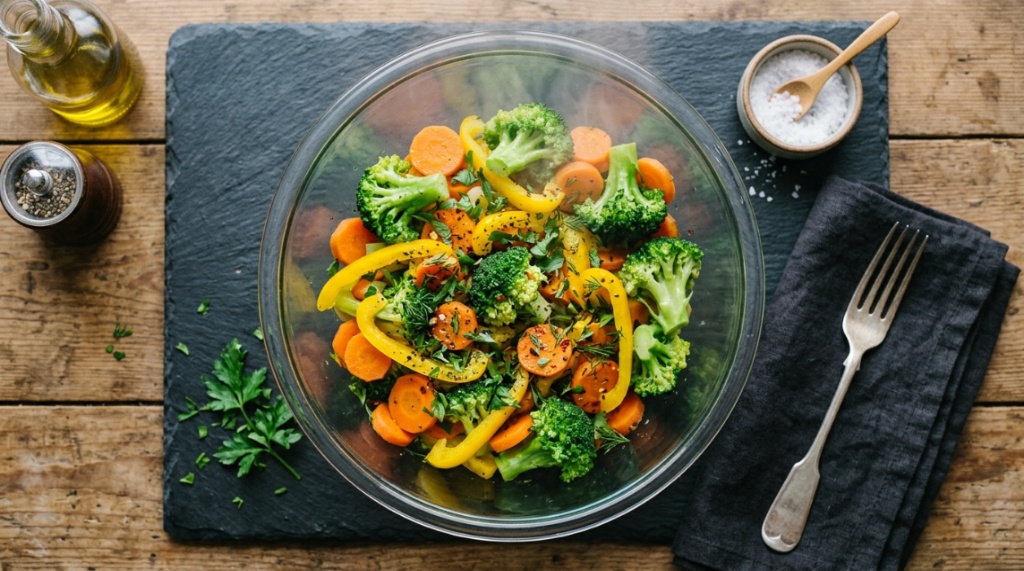
You know that feeling. You’ve bought vibrant broccoli, crisp asparagus, or sweet carrots with the best intentions. But after cooking, you’re left with a limp, waterlogged, and flavorless side dish. It’s frustrating. The problem isn’t your produce; it’s the cooking method. Boiling drains nutrients and taste, while sautéing adds fat you might not want. Steaming is the answer—it’s healthy, fast, and preserves color and crunch. But doing it right requires more than just tossing veggies in a basket and hoping for the best. If you’ve ever wondered how to steam vegetables perfectly without turning them into mush, this guide is for you. We’re going to walk through the entire process, from setup to timing, so you can achieve flawless results on your very first try and every time after.
Steaming is not just a cooking technique; it’s a way to lock in the natural essence of your food. Unlike other methods that require oils or excessive water, steaming uses the vapor of boiling water to gently cook ingredients. This method is prized by nutritionists and chefs alike for its ability to retain up to 50% more water-soluble vitamins (like Vitamin C and B-vitamins) compared to boiling. In a world where we are constantly trying to optimize our meals, mastering this skill is a non-negotiable life hack for anyone who wants to eat better without sacrificing time. Whether you are a novice cook or a seasoned home chef, the precision and simplicity of steaming will elevate your everyday meals. Let’s break down the science and the art to ensure you never face a sad, soggy vegetable again.
What is the Best Way to Steam Vegetables Without Special Equipment?
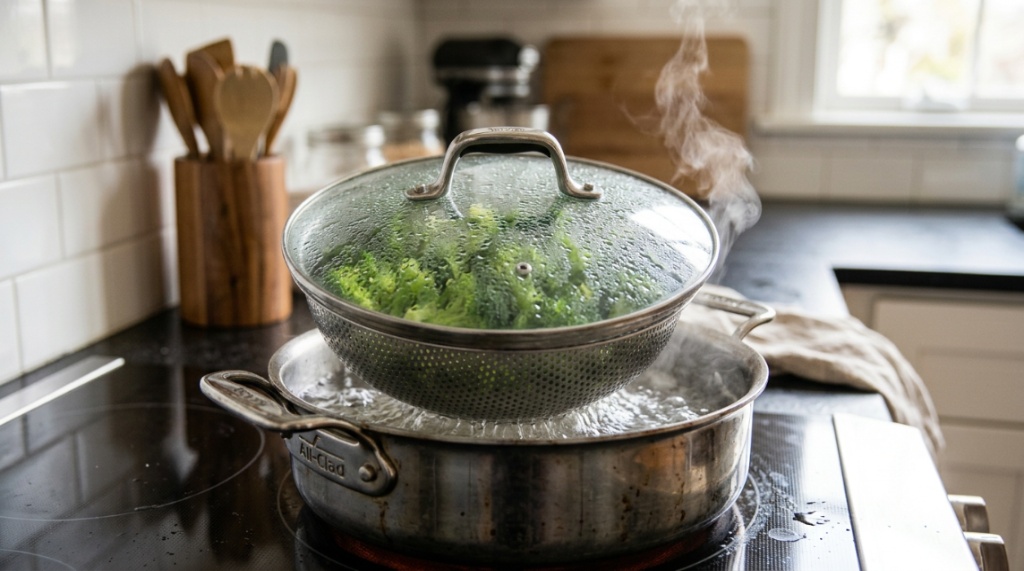
The absolute best way to steam vegetables without a dedicated appliance is using a simple metal or silicone steamer basket inside a standard pot with a tight-fitting lid. This method allows for maximum airflow and even heat distribution. It is efficient, uses minimal water, and is a staple in professional kitchens for its reliability.
Using a basket might seem old-school, but it often yields better results than microwave steaming because you have precise control over the heat. You can easily check doneness, adjust the flame, and toss the vegetables mid-way if needed. This hands-on approach is perfect for achieving that crisp-tender texture that is so desirable. The key is creating a seal that traps the steam inside the pot, ensuring a consistent cooking environment. This method doesn’t require any electricity, making it a low-cost, low-mess option for daily use.
Why a Steamer Basket Beats a Makeshift Setup
While you can theoretically use a colander or a plate, a folding metal basket is superior. It keeps vegetables out of the water, prevents sticking, and folds away for easy storage. A makeshift setup often results in uneven cooking because the vegetables touch the boiling water or the pot’s bottom, which leads to scorching or boiling instead of steaming.
The Essential Setup: Pot, Basket, and Lid
You need a pot large enough that the basket sits at least one inch above the water line. The lid must be glass or tight-fitting so you can monitor the steam without lifting it. Lifting the lid releases steam and drops the temperature, extending cooking time and making the vegetables mushy.
Step-by-Step:
- Fill a pot with about one inch of water. The water should not touch the basket.
- Bring the water to a rolling boil over high heat.
- Carefully place the steamer basket inside the pot.
- Add your vegetables in a single layer. Do not overcrowd.
- Cover with the lid and reduce heat to medium or medium-low.
- Start timing immediately after you cover the pot.
Once you have mastered preparing your healthy sides, you can also upgrade your homemade dinner routine by choosing an Affordable Pasta Machine in Washington.
Why Do My Steamed Vegetables Turn Out Mushy?
Your vegetables turn out mushy primarily because they are cooked for too long or are exposed to direct contact with boiling water. Overcrowding the pot is another major culprit, as it traps steam and lowers the temperature, causing the vegetables to steam unevenly and break down before cooking through.
Mushy vegetables are a sign of cell wall breakdown, which happens when heat is applied too aggressively or for too long. The goal of perfect steaming is to heat the vegetable just enough to soften the cellulose but not so much that the pectin dissolves completely. Think of it as aiming for a state where a knife can pierce the vegetable with slight resistance, but it doesn’t fall apart. This requires close attention to both time and heat levels.
The Overcrowding Trap
When you pile broccoli florets layer upon layer, the steam cannot circulate. The vegetables on the bottom cook much faster, often becoming soggy, while those on top remain raw. Always steam in a single layer, even if it means cooking in batches. This simple practice guarantees uniform texture across all pieces.
Heat Management: Boiling vs. Simmering
After the water boils, you must reduce it to a gentle simmer. If the water bubbles too violently, it can splash up and boil the vegetables, ruining their texture. A gentle hiss from the pot is the perfect sound—it indicates that steam is flowing steadily but not aggressively. If you hear a clatter, it’s too hot.
Skipping the Ice Bath
Here’s a pro-secret: If you are steaming ahead of time or want to serve cold vegetables in a salad, you must shock them in an ice water bath immediately after steaming. This stops the cooking process instantly, preserving the bright color and crispness. Without this step, residual heat continues to cook the vegetables, turning them limp even after you have removed them from the pot.
How Long Does It Take to Steam Different Vegetables?
Steaming times vary dramatically based on density, size, and shape. On average, leafy greens take 2–3 minutes, while dense root vegetables like potatoes take 10–15 minutes. It is crucial to cut vegetables uniformly so they all finish cooking at the same time.
The chart below provides a solid starting point. However, these times are for standard cut sizes. If you cut everything into smaller pieces, reduce the time. Your personal preference for crunch will also dictate the final result. For instance, some people prefer carrots that are still firm, while others like them tender. Use these numbers as a baseline and adjust according to your taste.
Comprehensive Steaming Time Chart
| Vegetable | Cut Size | Steam Time (minutes) |
|---|---|---|
| Broccoli | Florets, 1–2 inches | 4–5 |
| Carrots | Sliced, 1/4 inch | 5–6 |
| Green Beans | Whole, trimmed | 4–5 |
| Asparagus | Spears, thick | 4–5 |
| Cauliflower | Florets, 1–2 inches | 5–7 |
| Potatoes | Quartered | 10–12 |
| Zucchini | Sliced, 1/2 inch | 3–4 |
| Spinach | Leaves | 2–3 |
How to Test for Doneness
The best test is not the clock; it’s the fork. Pierce the thickest part of the vegetable. It should be tender with a slight resistance (“al dente” if you’re Italian). It should not be hard, but it also shouldn’t instantly disintegrate. If the fork goes in like room-temperature butter, you have gone too far.
The Mistake of Uniform Timing
Do not steam broccoli and carrots together if they are both raw. They have different sugar and water contents, so they cook at different speeds. If you want to steam a mix, add the denser vegetables (carrots, potatoes) first, then add the quicker-cooking ones (zucchini, leafy greens) after a few minutes have elapsed. This staggered approach ensures everything is perfect simultaneously.
Which Vegetables Are Best Steamed Whole?
Small, tender vegetables are best steamed whole because they retain their natural moisture and shape. Baby carrots, thin green beans, sugar snap peas, and baby potatoes are prime candidates. Steaming them whole prevents them from becoming waterlogged and preserves their delicate structure.
When steaming whole, you must pay even more careful attention to size. “Whole” doesn’t mean they all cook the same. A chunky russet potato will take significantly longer than a small red potato. Checking for consistency in size before adding them to the basket is essential to avoid undercooking larger pieces while smaller ones turn to mush.
Benefits of Steaming Certain Vegetables Whole
Leaving vegetables whole minimizes the cut surfaces exposed to heat and water. Fewer cuts mean less nutrient loss. For example, a whole carrot will retain more of its sugars and vitamins than a carrot sliced into coins. The visual appeal is also higher, making for a stunning platter.
Which Vegetables Should You Always Cut?
Vegetables with thick skins or dense interiors, such as butternut squash, Brussels sprouts, and potatoes, should be cut to ensure even cooking. Cuts create more surface area, allowing the steam to penetrate faster and cook the interior all the way through before the exterior becomes soggy.
Can You Overcook Vegetables in a Steamer?
Yes, you can absolutely overcook vegetables in a steamer. The gentle heat of steam is not a magic shield against mushiness. Overcooking occurs when the vegetables are left in the basket after they have reached the desired doneness, causing the cell walls to completely break down and resulting in a loss of texture and flavor.
Steaming is actually very efficient at transferring heat, which is why it cooks quickly. The moment you push the heat in, the vegetables are actively cooking. Even after you turn off the heat, the hot steam remains in the pot. If you leave them there, they will continue to cook. To prevent disaster, you must time your cook precisely and be ready to remove the vegetables the moment they are done.
The “Carry-Over” Cooking Phenomenon
Carry-over cooking is the process where food continues to cook from residual heat even after being removed from the heat source. For vegetables, this is rapid because they are small. This is why it is better to slightly undercook vegetables when you plan to serve them immediately, as they will finish cooking while you plate them.
Setting a Timer is Non-Negotiable
Don’t rely on your memory or a quick glance. Set a timer for the minimum time in the chart. When the timer goes off, test for doneness. If it’s not ready, set another timer for 1 minute. This incremental approach is the best defense against mushiness. Trust the timer, not your eyes.
The Textural Sweet Spot
The perfect texture is often called “crisp-tender” or “tender-crisp”. This means the vegetable is cooked all the way through and warm, but still has a slight bite to it. It should not require a knife to cut, but it shouldn’t fall apart either. This is the texture you are aiming for every single time.
How to Add Flavor While Steaming Without Adding Calories?
To add flavor without adding calories, incorporate aromatics directly into the steaming water. Add bay leaves, garlic cloves, lemon slices, peppercorns, or even a splash of vinegar to the water before it boils. As the water turns to steam, it carries these subtle essences directly into the vegetables.
This is a secret used in high-end restaurants to elevate simple dishes. By infusing the steam itself, you add a layer of complexity that is impossible to achieve with a post-cook seasoning. The vegetables absorb the flavor from the inside out, providing a more cohesive and refined taste experience.
Herbs and Spices in the Water
Add a handful of fresh herbs like thyme, rosemary, or dill to the boiling water. For a bolder flavor, use a cinnamon stick or star anise. The heat will extract the essential oils from the herbs, and the steam will distribute them evenly across your vegetables.
Finishing Touches: Post-Steam Seasoning
While infusing the steam is great, a post-cook drizzle or sprinkle is still needed for the final punch. Use a high-quality extra-virgin olive oil, a squeeze of fresh lemon juice, or a pinch of flaky sea salt right before serving. This adds bright, contrasting flavors that complement the steamed taste.
Simple Flavor Combinations
- Broccoli: Steamed with garlic and lemon slice, finish with parmesan.
- Carrots: Steamed with a cinnamon stick, drizzle with honey and butter.
- Green Beans: Steamed with a bay leaf, toss with toasted almonds and chili flakes.
When Should You Use an Electric Steamer vs. A Stovetop Pot?
You should use an electric steamer when you need to cook multiple ingredients simultaneously or want a “set it and forget it” approach for a busy weeknight. Stovetop pots are better when you are cooking a single type of vegetable and want quick, precise control over the heat.
The choice often depends on your kitchen workflow. Stovetop steaming is faster to set up and clean. Electric steamers take up counter space but offer features like timers and tiered trays that allow you to cook a full meal at once (like potatoes in one tier and broccoli in another). If you cook large batches for meal prep, an electric steamer is a godsend. For quick side dishes, the stovetop is kings.
The Efficiency of Stovetop Steaming
A stovetop gets the water boiling in under 4 minutes. For a quick dinner, this speed is unmatched. You don’t have to wait for a machine to fill with water, and you have complete control over the heat source to react immediately to how fast the vegetables are cooking.
Electric Steamer Capabilities
Electric steamers are perfect for batch cooking. You can steam a chicken breast in the bottom tier and broccoli in the top tier simultaneously. The automation helps you steam vegetables perfectly without having to monitor the pot. This is valuable when you are juggling multiple dishes at once.
Which Should You Choose?
If you have limited storage space or cook for one or two people, a stovetop steamer basket is your best bet. If you have a family, meal prep obsession, or want to try cooking whole fish, an electric steamer is a fantastic investment. Neither is objectively better; they serve different needs.
Is Steaming Healthier Than Microwaving?
Steaming is often cited as slightly healthier than microwaving for preserving nutrients, but both are vastly superior to boiling. Microwaving uses electromagnetic radiation to agitate water molecules, which can cook unevenly and sometimes result in dried-out or rubbery vegetables if not careful. Steaming provides moist heat that is gentler on vitamins.
Both methods are excellent for retaining nutrients because they require minimal water. Boiling leaches water-soluble nutrients into the cooking water, which is typically discarded. Steaming and microwaving, on the other hand, keep the food dry and cook it quickly, reducing the time vitamins are exposed to heat.
Nutrient Retention and Cooking Method
Studies show that steaming preserves more Vitamin C and B vitamins than boiling. Microwaving is in the same ballpark but can cause nutrient degradation if you use too much power or cook for too long. The key is to use high heat for a short duration—which both steaming and microwaving can do effectively.
What is the “Healthiest” Cooking Method?
There is no single “healthiest” method. The best method is the one that gets you to eat more vegetables. If you love the crisp texture of steamed vegetables, that is the healthiest option for you because you will consume them more often. The antioxidants in vegetables are preserved best with quick, dry-heat methods like steaming or stir-frying.
Practical Advice for the Health-Conscious
For maximum health benefits, use a steamer or a microwave with a splash of water. Avoid adding salt to the cooking water, as it can draw out moisture. Save the salt for the table. This way, you control the sodium and maximize the natural flavor and nutritional profile of your produce.
How to Steam Vegetables for Meal Prep Without Losing Quality?
To steam vegetables for meal prep without losing quality, you must undercook them by about 2 minutes and then chill them rapidly in an ice water bath. This par-cooking method ensures they don’t turn mushy when you reheat them later in the microwave or on the stove.
Meal prep is about planning, not just cooking a massive batch. The goal is to have a versatile component that can be added to salads, grain bowls, or eaten as a snack. By following this “undercook and shock” method, you will have vibrant, crisp vegetables all week long that actually taste fresh, not reheated and sad.
The Par-Cooking Technique
Put simply, par-cooking means cooking them until they are just beginning to soften but are still very crunchy. When you reheat them, they will perk up just enough to be perfect. This two-step cooking process is the professional secret to avoiding bland, soggy leftovers.
Storage: The Key to Longevity
After shocking the vegetables in ice water, dry them thoroughly on a clean kitchen towel. Any excess water will cause them to deteriorate faster. Store them in a glass container with a paper towel on the bottom to absorb moisture. This prevents condensation from pooling and keeping the vegetables wet.
Reheating Without Re-cooking
When you are ready to eat, do not steam them again. Instead, reheat them in a skillet with a tiny bit of oil or in the microwave for just 30 seconds. You only want to warm them through, not cook them again. This preserves the texture you worked so hard to achieve.
Frequently Asked Questions
Do you put vegetables in before or after the water boils?
You should put the vegetables in the steamer basket only after the water has reached a rolling boil. This ensures the steam is intense and starts cooking them immediately. Placing them in cold water and bringing it up slowly will overcook the vegetables and make them soggy.
Can you open the steamer lid to check on the vegetables?
You should avoid lifting the lid as much as possible. Every time you do, you let steam escape, which drops the temperature inside the pot. This extends the cooking time. If you must check, do it quickly after the minimum time has elapsed to minimize heat loss.
Should I salt the water when steaming vegetables?
You can salt the water, but it won’t add much flavor to the vegetables because salt doesn’t evaporate with the steam. It’s better to add salt directly to the vegetables after they are cooked. Salting before cooking can draw out water, making them lose their crispness.
How do I steam vegetables without a steamer basket?
If you don’t have a basket, you can create a ring of aluminum foil on the bottom of the pot to act as a make-shift trivet. Place a heat-proof plate on top of the foil ring. Add water below the foil, ensuring it doesn’t touch the plate, and then place your vegetables on the plate.
Can I steam frozen vegetables directly?
Yes, you can steam frozen vegetables directly without thawing them first. Frozen vegetables are already blanched, so they need less time to cook. Simply add a minute or two to the cooking time. They might release more water, so ensure the water level in the pot is manageable.
What is the ideal amount of water for steaming?
The ideal amount is typically about 1 to 1.5 inches of water. It should be enough to generate substantial steam but not so much that it touches the bottom of the steamer basket. If the water touches the basket, you are boiling, not steaming.
Conclusion
Perfectly steamed vegetables are one of the simplest yet most rewarding culinary achievements. You’ve learned the foundational truths: use a tight-fitting lid, don’t overcrowd the basket, manage the heat, and time everything to the second. By avoiding the classic mistakes of overcooking and boiling, you will unlock vibrant, flavorful, and incredibly healthy side dishes. Remember to experiment with aromatic infusions and finish with a flourish of fresh seasoning. The health benefits are immense, but the texture and taste are the real victories. These principles apply whether you use a pot or an electric steamer. Now, take this knowledge into your kitchen, and enjoy the bright, crisp crunch of vegetables done right.