Best Maple Skateboard Deck for Beginners? LOSENKA Double Tail Review
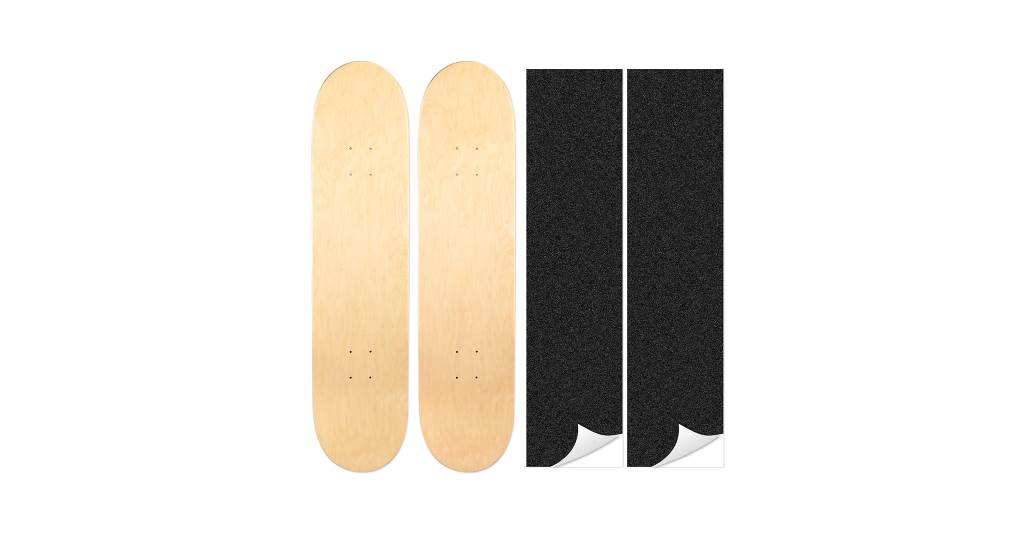
Skateboarding grabs your attention quickly. Many newcomers seek a reliable deck that handles learning curves without failing early. Beginners often choose maple decks for their proven strength and responsiveness.
In fact, industry reports show that over 80% of professional skateboard decks use layered maple construction due to its optimal balance of flexibility and durability. Additionally, studies from sports equipment analyses highlight that 7-ply maple boards reduce breakage risks by up to 30% compared to cheaper alternatives.
Therefore, exploring options like the LOSENKA Double Tail makes sense. This budget skateboard deck stands out for new riders seeking quality without complexity.
Why Maple Decks Dominate for Beginners
Maple wood leads skateboard construction for good reasons. Manufacturers select hard rock maple, often from cold climates, because it grows dense fibers. These fibers deliver superior elasticity and strength.
Consequently, a strong maple wood deck resists snapping during early falls. Beginners benefit most here, as they experience frequent bails while mastering balance.
Moreover, maple provides consistent pop. Pop refers to the snap that lifts the board during ollies. New skaters need this feedback to progress faster.
Many decks feature 7-ply builds. Seven layers of maple veneer press together under high pressure. This process creates a board that flexes just enough for control yet stays stiff for tricks.
As a result, 7-ply maple decks have become the gold standard. They offer longevity that helps beginners build skills confidently.

Understanding Double Tail Designs
Double tail decks, also called twin tips or popsicle shapes, feature identical kicked-up ends. This symmetry changes everything for learners.
First, riders never worry about front or back. Switch stance feels natural from day one. Many beginners accidentally ride switch without realizing it.
Next, double tails enable tricks from either end. Ollies, kickflips, and manuals become accessible sooner. Single-tail boards limit these options.
Additionally, the design adds versatility. Street skating, park sessions, or casual cruising all work well. Beginners avoid feeling restricted as skills grow.
Overall, double kicktails forgive mistakes. They encourage experimentation, which speeds up improvement.
LOSENKA Double Tail Deck: In-Depth Review
The LOSENKA Double Tail brings solid features to the table. Skaters appreciate its straightforward build focused on performance.
This deck uses 7-ply maple construction. Layers press together coldly, minimizing air bubbles and weak spots. Consequently, it delivers reliable pop and resists delamination.
The medium concave locks feet in place. Beginners gain better control during pushes and turns. Symmetrical shape supports any riding direction.
Size typically hits 8 inches wide by 31.75 inches long. This measurement suits most adults and teens starting out. It balances stability with maneuverability.
Furthermore, the deck includes free grip tape. This addition provides immediate traction without extra purchases. The tape holds up well against wear.
Real users report strong durability. One skater mentioned bonding with their child while learning ollies, noting the deck held up perfectly. Another praised its lightness combined with strength.
However, some note slight weight compared to premium brands. This extra mass actually aids stability for newcomers landing tricks.
In summary, the LOSENKA performs reliably across sessions. It supports progression from basics to intermediate moves.
Key Benefits for Beginner Skaters
Beginners face unique challenges. The right deck eases those hurdles significantly.
- Forgiving Learning Curve: Double tails allow mistakes without constant reorientation. Riders focus on balance instead.
- Enhanced Pop and Responsiveness: Strong maple wood deck construction gives crisp feedback. Ollies feel achievable early on.
- Versatile Performance: Handles cruising, basic tricks, and park obstacles. Growth happens without switching boards soon.
- Secure Footing: Medium concave and quality grip keep feet planted. Confidence builds faster.
- Impact Resistance: Cold-pressed layers absorb shocks from falls. Fewer replacements needed.
These advantages combine to create enjoyable sessions. Progress feels rewarding rather than frustrating.
How to Choose Your First Skateboard Deck
Selecting a deck involves several factors. Consider these carefully.
- Assess your height and shoe size. Taller riders prefer wider decks for stability.
- Think about riding style. Street and park favor popsicle shapes like double tails.
- Prioritize material quality. Stick with 7-ply maple for proven results.
- Check concave level. Medium works best for most beginners.
- Read user feedback. Real experiences reveal long-term performance.
Moreover, test setups if possible. Local shops often let you feel differences.
Finally, match trucks and wheels appropriately. Wider decks need matching components for best handling.
Setting Up Your LOSENKA Deck Properly
Assembly matters for optimal feel. Follow these steps.
First, apply the included grip tape carefully. Trim edges cleanly for professional look.
Next, mount trucks at standard positions. Use hardware that fits securely.
Then, add bearings to wheels. Ensure they spin freely.
Additionally, adjust truck tightness. Looser for turning ease, tighter for stability.
Test ride on flat ground initially. Make small adjustments as needed.
Proper setup transforms the deck’s potential into real performance.
Tips for Progressing as a Beginner
Improvement comes through consistent practice. Apply these strategies.
- Start with basics like pushing and turning.
- Practice stationary ollies before moving.
- Film sessions to spot form issues.
- Skate varied terrain gradually.
- Rest when sore to avoid injury.
Also, watch tutorials from trusted sources. Visual learning accelerates understanding.
Furthermore, join local communities. Tips from experienced riders prove invaluable.
Patience pays off. Most see major gains within months.
Common Mistakes New Skaters Make
Avoid these pitfalls to progress smoothly.
Many rush advanced tricks too soon. Master fundamentals first.
Others neglect protective gear. Helmets and pads prevent serious setbacks.
Some choose overly narrow or wide decks. Improper sizing hinders control.
Additionally, inconsistent practice stalls growth. Short daily sessions beat rare long ones.
Finally, ignoring foot placement leads to poor habits. Focus on proper stance early.
Correcting these early sets strong foundations.
Why the LOSENKA Stands Out in 2026
Current trends favor durable, versatile decks. The LOSENKA aligns perfectly.
It combines classic maple strength with modern double tail utility. Beginners get pro-level features accessibly.
Moreover, cold-pressed construction ensures longevity. Sessions stack without degradation worries.
Users consistently praise its balance of weight and pop. Tricks land cleaner, cruising feels smooth.
In crowded markets, this deck delivers honest value. It supports real skill development.
Conclusion
Choosing your first skateboard deck shapes the entire experience. Maple constructions, especially 7-ply variants, provide the ideal starting point. Double tail designs add forgiveness and fun.
The LOSENKA Double Tail excels here. Its strong maple wood deck, symmetrical shape, and thoughtful details make learning enjoyable. Durability meets versatility head-on.
Ready to roll? Grab a quality deck like this and hit the pavement. Consistent practice turns beginners into confident skaters. Start your journey today and feel the progress.
FAQs
What makes the LOSENKA deck suitable for beginners?
The LOSENKA offers medium concave for foot lock-in and double tails for easy direction switches. Its 7-ply maple build provides forgiving pop and impact resistance.
Is a double tail deck better than a single tail for new skaters?
Yes, double tails eliminate nose/tail confusion. They allow tricks from either end and support switch riding naturally.
How long does a maple deck like this typically last for beginners?
With regular use and proper care, expect several months to a year. Cold-pressed maple resists wear better than basic woods.
Can I use this deck for street and park skating?
Absolutely. The symmetrical shape and responsive pop handle curbs, rails, and ramps effectively.
What size should beginners choose?
Most start with 8-inch width. It offers stability without sacrificing flip trick ease.
References